

The Pen and the Pivot: How Ne-Yo Redefined the R&B Playbook
In 2006, the R&B landscape was shifting. While the "king" of R&B was in flux, a songwriter from Las Vegas who had spent years penning hits for Mary J. Blige and Mario finally stepped into the chat.

Ne-Yo didn’t just walk through the door; he wrote the blueprints for the building. Coming off the massive success of Mario’s “Let Me Love You,” the industry knew Shaffer Smith as the “songwriter guy.” But when the fedora-clad singer dropped In My Own Words, the narrative changed.
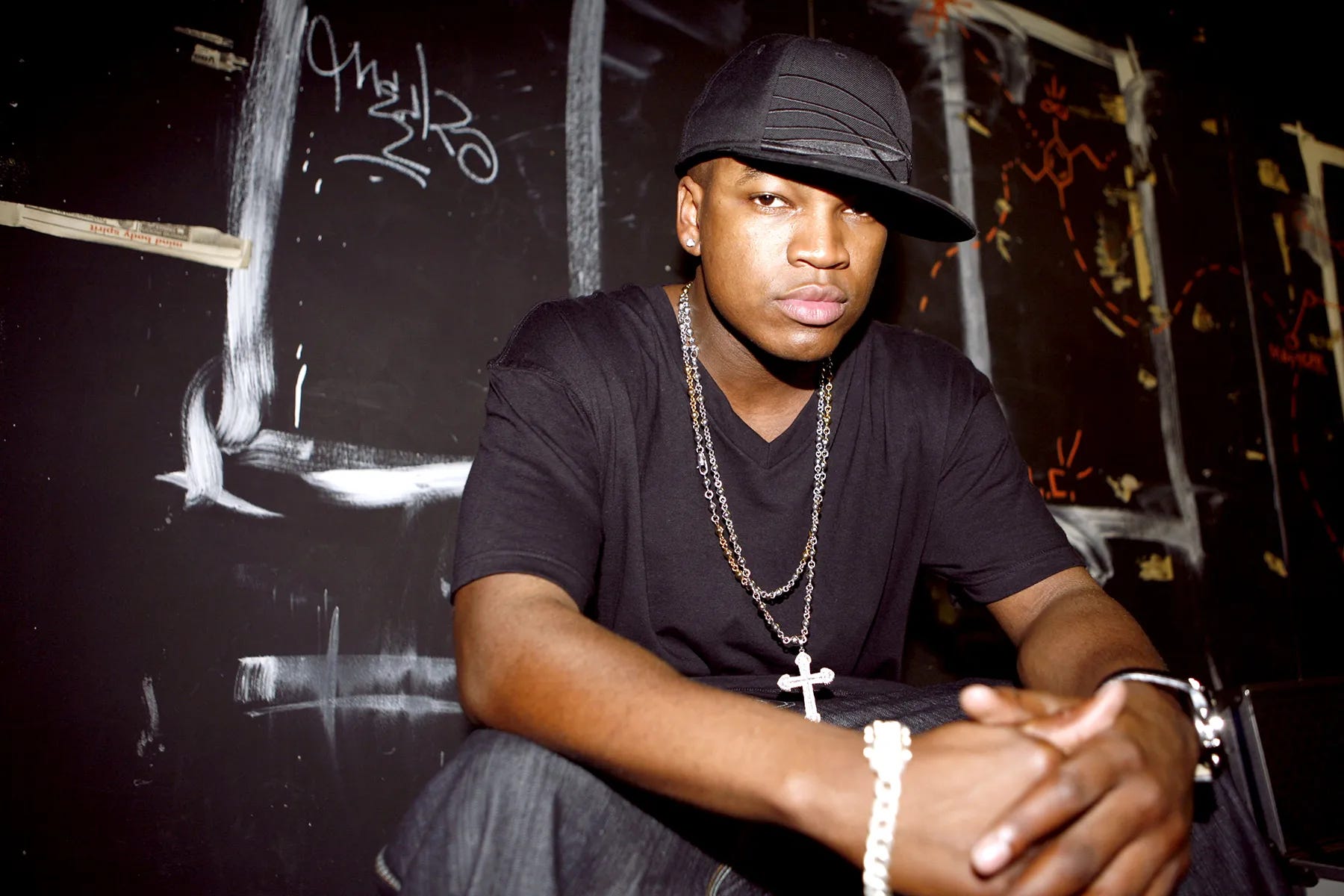
“Pencil Ne-Yo in as R&B rookie of the year—and don’t be surprised if no one trumps him before 2006 is gone.” — Stylus Magazine
During his 2006 press run, Ne-Yo told reporters: “I’ve always been the guy in the background. Being the actual artist is a whole new experience... I want to reach people’s souls with my lyrics through whatever vessel God chooses.”
Ne-Yo’s debut is a masterclass in the “man-child” vocal aesthetic, a robust, clear tone that navigates the redundancy of R&B heartache with surgical precision. In My Own Words is a taut, focused effort that avoids the typical filler of debut LPs.
On February 28, 2006, Def Jam released an album that would debut at #1 on the Billboard 200 with 301,000 copies sold in its first week. Ne-Yo’s In My Own Words was the industry’s answer to a maturing R&B market, blending ‘70s and ‘80s sensibilities with the “whirring of the music machine.”
“Though, at times, the lyrics are a bit too sentimental... In My Own Words should have listeners clinging to Ne-Yo’s every word.” — Billboard (March 2006)
The album earned a Grammy nomination for Best Contemporary R&B Album and was certified Platinum within a month. It proved that the “songwriter-turned-singer” path was not just viable, but potentially the most lucrative lane in the genre.
“Stay” (feat. Peedi Peedi) was the initial vibe-check. It wasn’t a chart-topper, but it established his DNA: smooth, mid-tempo, and firmly rooted in the Def Jam legacy. Followed up by “So Sick” there was a seismic shift. A Stargate-produced masterpiece that turned heartbreak into a #1 anthem. It was “weepy” but vivacious, a contradiction that Ne-Yo mastered. On the release of the third single, “When You’re Mad,” Shea Taylor’s production showcased Ne-Yo’s ability to find the “cute” in the conflict. Critics noted it set him apart from the more overtly sexual personas of Chris Brown or Trey Songz at the time. ut the album’s run, “Sexy Love” helped Ne-Yo solidify his “Gentleman” persona. It was slick, radio-friendly, and proved he could do “upbeat” without losing the soul.
“Admittedly, Ne-Yo’s lyric-writing is hardly the stuff of legends... However, his robust man-child voice tempers the redundancy of heartache and makes the album a plausible listen.” — Rolling Stone (2006)
Looking back on the 15th anniversary, Ne-Yo reflected: “It’s always been an uncomfortable truth that heartache makes for great song lyrics. I’d rather sing the song that you put on to escape the drama.”