

Martha Wash: The Most Famous Unknown Legend You’ve Always Heard
How Martha Wash Taught the World to 'Carry On'

In 1990, the music industry faced a reckoning. While the world watched C+C Music Factory and Black Box dominate MTV, the face on the screen didn't match the voice in the speakers. From the pews of San Francisco to the global stage alongside Sylvester as half of Two Tons O’ Fun, Martha Wash has always been a vessel for something higher. Before she was the “Queen of Clubland,” she was the backbone of Disco’s most inclusive era. Wash’s booming, church-reared alto was being lip-synced by slender models, a move that Rolling Stone later dubbed her "The Most Famous Unknown Singer of the '90s."
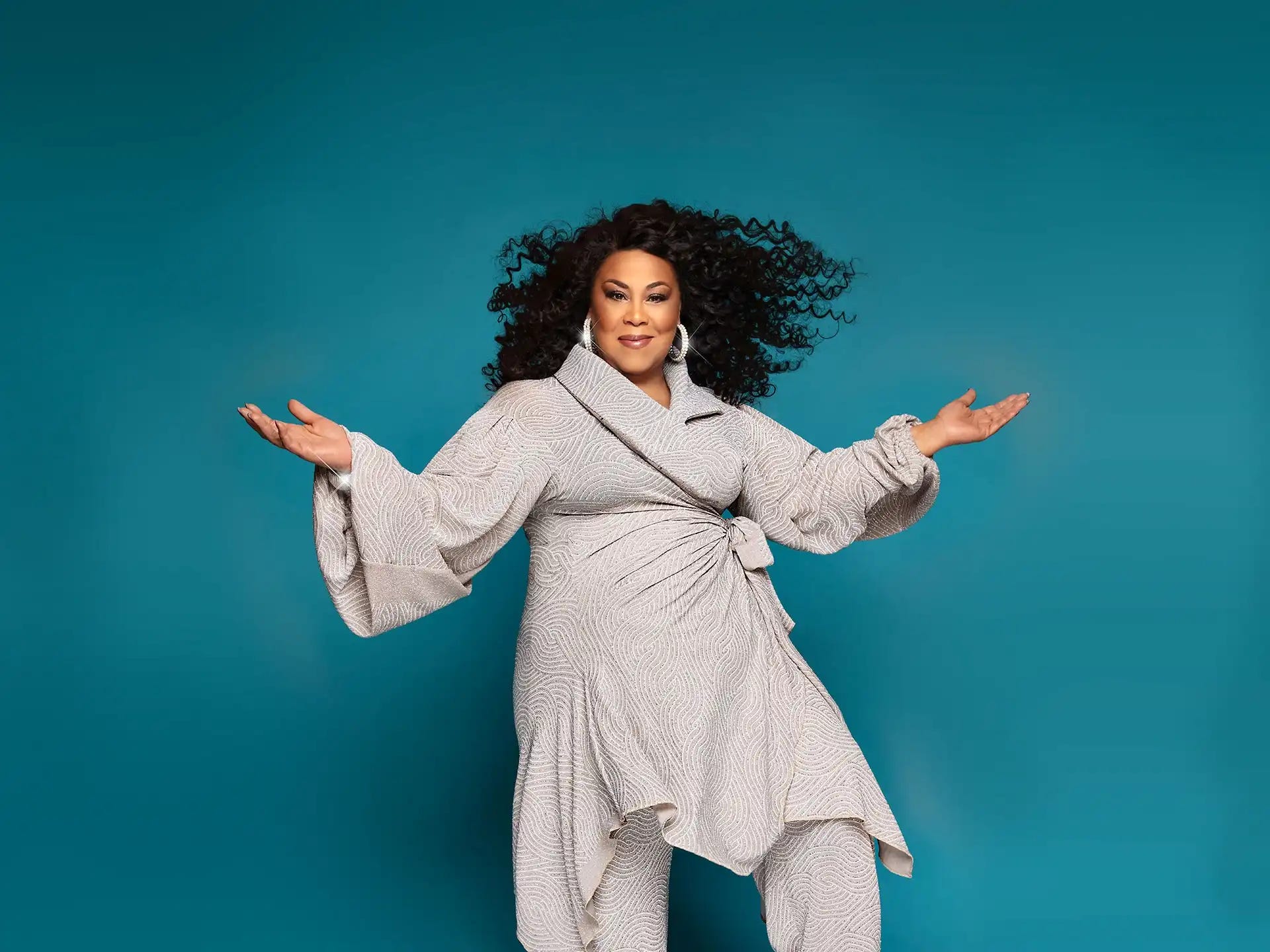
Wash’s impact wasn't just in the notes she hit, but in the laws she changed. When she sued Sony Music and A&M Records for proper credit and royalties, she wasn't just fighting for a check; she was fighting for the visibility of the Black woman’s labor in an industry that wanted her soul but not her image.
"She merged a gospel voice into pop and dance music seamlessly. A lot of gospel-based singers have come and gone, but she is the one." — RuPaul, reflecting on Wash's influence in Rolling Stone.
Her legal victory led to federal legislation making vocal credits mandatory on music videos and albums. Martha Wash didn’t just make us dance… she made the industry take accountability.
As part of The Weather Girls, Wash delivered a vocal on “It’s Raining Men” so joyful and robust it became an eternal anthem for the LGBTQ+ community and a staple of Black sisterhood.
Wash provided the "grit and glory" that separated House music from mere machine-made noise. Her voice on "Carry On" remains a masterclass in resilience.
"I've always said I never wanted to be pigeonholed into one particular genre... I firmly believe that love always trumps conflict." — Martha Wash, in a 2020 retrospective.
Wash's story is one of reclaiming her narrative. After years of being sidelined due to industry beauty standards that favored thinness over talent, she emerged as the founder of her own label, Purple Rose Records, proving that a true gift cannot be hidden—it can only be delayed.
The "90s sound" was characterized by a specific juxtaposition: high-BPM electronic beats paired with soulful, melismatic Black gospel vocals including the "Everybody dance now!" shout is perhaps the most recognizable four-second clip in music history. Producers like David Cole (C+C) used Wash’s voice as a texture, layering her harmonies to create a "wall of sound" that felt both industrial and heavenly and majority of today’s EDM and House artists from Beyoncé’s Renaissance to the works of Kaytranada—trace their lineage directly back to the "Diva House" style Wash pioneered.