

Betty Wright: The Mother of the Miami Sound
How Betty Wright taught a generation of superstars to find their voice and keep their coins.

In the pantheon of R&B, few figures loom as large or as quiet as Bessie Regina Norris, known to the world as Betty Wright. Before the “whistle register” became a pop-chart staple for the likes of Mariah and Ariana, and before independent ownership was a buzzword in hip-hop, Betty was already there—carving out a blueprint in the humidity of Miami that would change music forever.
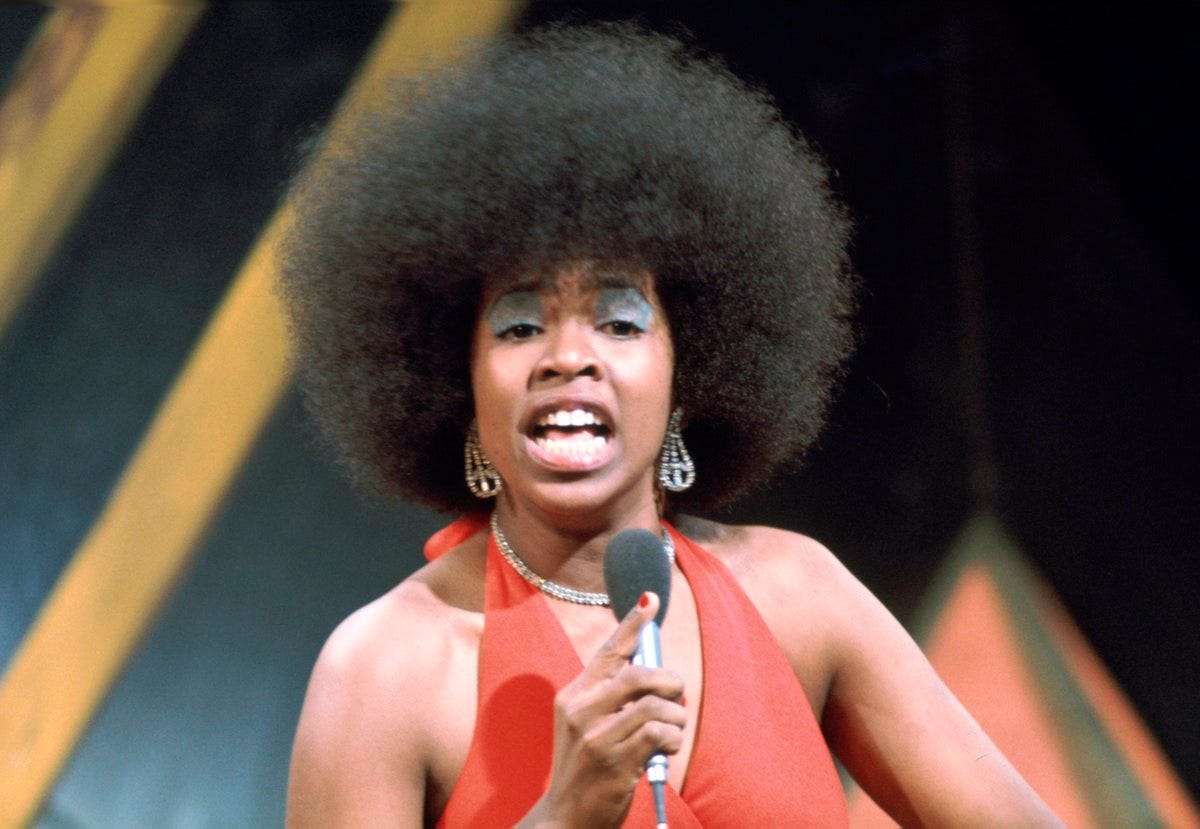
Often called “The Cleaning Lady” after her 1971 breakout hit “Clean Up Woman,” Wright was far more than a one-hit wonder. She was a songwriter, a label head, and a vocal sensei who shaped the voices of Destiny’s Child, Joss Stone, and Jennifer Lopez. As music critic Oliver Wang noted for NPR, Wright possessed a “preternatural gift,” a voice that could “belt like Aretha Franklin, hit the whistle register like Minnie Riperton, and spin melodramas like Millie Jackson.”
While Motown had its assembly line and Stax had its grit, Betty Wright gave Miami its groove. Starting her career at just two years old in the family gospel group Echoes of Joy, she transitioned to secular music as a pre-teen. By 14, she was charting with “Girls Can’t Do What the Guys Do,” a track that challenged gender double standards decades before the term “feminism” was mainstream in R&B.
The Miami scene was her playground. She didn’t just record there; she built the industry there. In 1985, she founded Ms. B Records, eventually becoming the first female artist to achieve a gold record on her own label with the 1988 album Mother Wit.
“I built the sandbox, but I watch ’em play in it.” — Betty Wright, in an interview with The New York Times
You may not always see her name on the marquee, but you hear Betty Wright every time you turn on the radio. Her iconic guitar riffs and vocal runs are the DNA of modern hits. From Mary J. Blige’s “Real Love” (Remix) which breathes through the lungs of “Clean Up Woman” to Beyoncé’s “Upgrade U” that relies on the swagger of “Girls Can’t Do What the Guys Do” Wright's influence is a mainstaple even when you don't fully recognizeit. The likes of Rick Ross and Kanye West’s “Sanctified” is too anchored by her soul-piercing gospel delivery.
Journalist Isheka N. Harrison observed that Betty was “lyric-conscious,” a storyteller who treated her records like a “Dear Abby” column. This transparency is what allowed her to connect with younger generations of rappers and singers who valued authenticity above all else.
In her later years, Betty became the industry’s most sought-after vocal coach. Whether she was correcting a flat note on Diddy’s Making the Band or mentoring a young Joss Stone, her “Mama vibe” was rooted in a desire for excellence.
“I’m tired of people... sounding a hot mess,” Wright once told BrainyQuote. “If I can tell what the note really is, why let them go to the note they think it is? I believe in legacy. And I believe in making the radio sound better.”
🙏🏿🔥💕❤️🎶🫶🏿♾️☀️